
 Available in US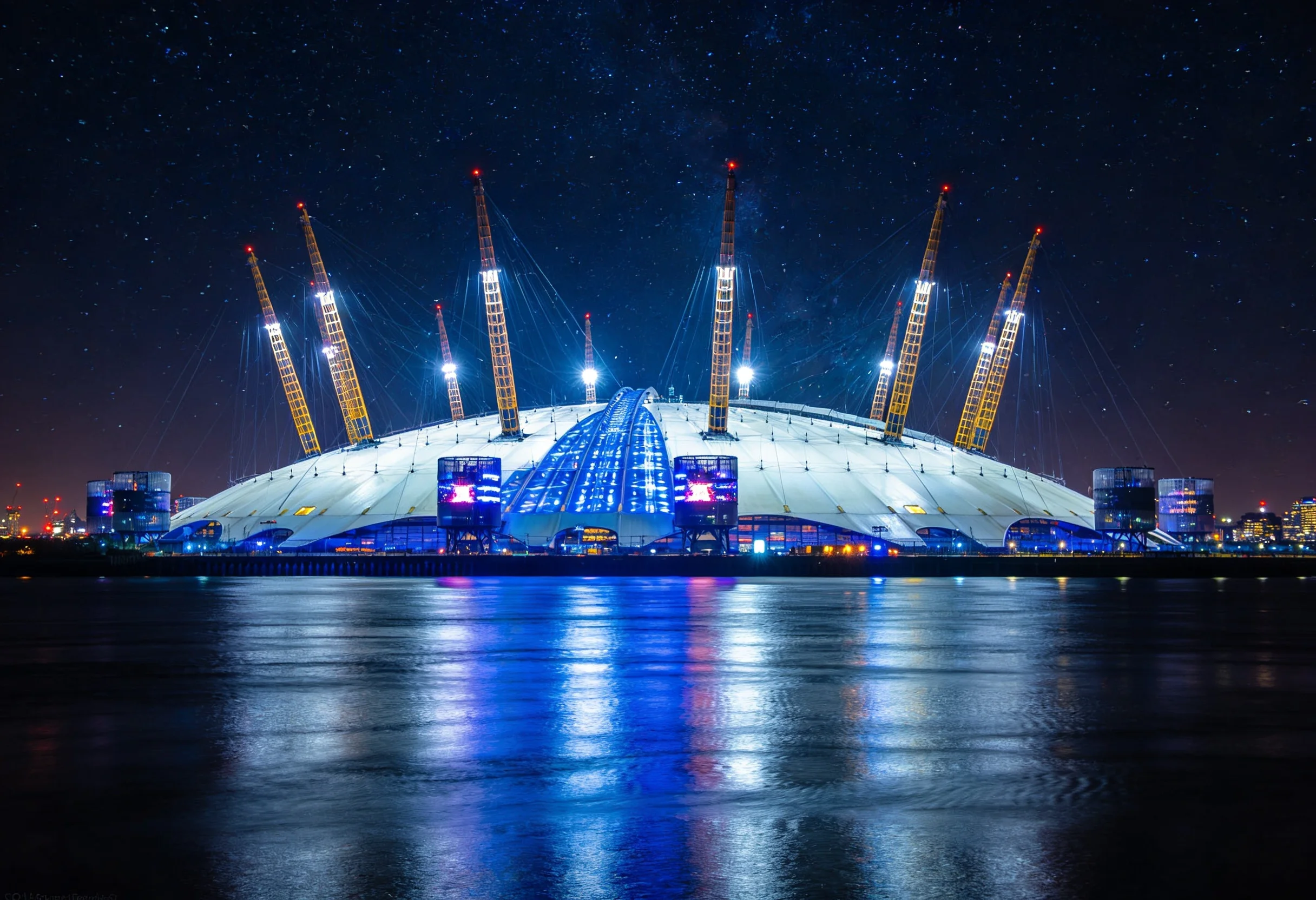
I was in the crowd at the O2 for the UFC Fight Night that set a London gate record of £4.71 million from 18,583 paid tickets. The atmosphere was unlike any American card I have watched, the building was genuinely hostile toward the visiting fighters, and the noise when a British athlete landed a clean shot was deafening. What struck me as an analyst, though, was not the atmosphere itself but what it did to the betting lines in the hours before the event. UK fighters shortened across the board, not because new information had emerged about their preparation, but because thousands of British fans had backed their compatriots with patriotic money.
UFC events held in the United Kingdom create a distinct betting environment. The combination of home-crowd support, time-zone convenience, and heightened operator promotion produces market dynamics that differ meaningfully from cards held in Las Vegas or Abu Dhabi. Understanding those differences is worth money if you bet on these events.
Historical Performance of UFC Events in the UK
The UFC has been running events in the UK since 2002, but the commercial acceleration over the past five years has been dramatic. London has become the promotion’s flagship European venue, with the O2 Arena hosting multiple sold-out cards that consistently rank among the highest-grossing non-PPV events globally. That £4.71 million gate record is not an outlier, it represents a market that has matured to the point where the UFC treats London as a premier destination rather than a secondary tour stop.
The UK ranks among the top five markets for UFC web traffic, accounting for 6.84% of all visits to ufc.com, and roughly 40% of the global fanbase identifies as millennial, the same cohort that drives online betting participation. When these fans have a live event in their own time zone, the engagement intensifies. Social media activity around UK cards spikes, pub screenings fill up, and, critically for bettors, the wagering volume on UK-facing platforms increases substantially compared with a standard Fight Night held in North America.
For bookmakers, UK UFC events are commercial highlights. Operators run enhanced-odds offers, free-bet promotions, and dedicated landing pages timed to London cards. The level of marketing investment signals that the handle, the total amount wagered, on these events justifies significant promotional spending. More volume means tighter odds on the main card, but it also means the undercard attracts more recreational money than usual, which can create pricing inefficiencies for sharper punters. For a broader look at how card size and profile affect market behaviour, the guide to UFC Fight Night betting covers the structural differences between event types.
Home-Crowd Bias and UK Fighter Odds
The single most actionable pattern I have observed at UK UFC events is the compression of odds on British fighters. When a UK fighter headlines a London card, the moneyline consistently moves in their favour between the opening line and fight time, often by more than the movement is justified by any new information about the matchup.
This is home-crowd bias expressed through the betting market. British fans backing British fighters is entirely natural and understandable, but it creates a measurable distortion. The UFC’s overall finish rate sits around 53%, and the base rates for specific outcomes do not change because a fight happens to take place in London rather than Las Vegas. A wrestler facing a striker in the O2 has the same stylistic dynamic as the same matchup in the Apex. But the odds do not always reflect that, because the weight of patriotic money pushes the line.
The opportunity is on the other side. If a visiting fighter’s odds drift because UK punters have inflated the home fighter’s implied probability beyond what the matchup data supports, the visitor can represent genuine value. I do not fade every British fighter at every UK event, that would be lazy and inaccurate. But I run the same analysis I would for any fight, and if the data says the visiting fighter should be priced at 2.40 but the market has them at 2.80 because of home-crowd money, I take the 2.80 and let the bias work in my favour.
One caveat: home advantage in MMA is real, even if smaller than in team sports. Fighting in front of a supportive crowd can lift a fighter’s energy and confidence, particularly in the later rounds. The bias is not in believing home advantage exists, it is in overpricing it. A two- or three-point shift in implied probability might be fair. A ten-point shift is the market telling you where the value lies.
Time-Zone Advantage and UK Market Liquidity
Most UFC events require UK bettors to stay up until three or four in the morning. London cards start at a civilised evening hour, typically 6 PM for the prelims and 9 PM for the main card. This time-zone convenience has two direct effects on the betting market.
First, a broader cross-section of the UK betting public participates. The punters who place a casual accumulator on the main event but would never set an alarm for a 3 AM start are active on London cards. This increases the overall volume of recreational money in the market, which can temporarily widen the gap between sharp and public pricing. Roughly 8% of adults in Great Britain bet on sports online, and a far higher proportion of that 8% engages with events that fit a normal Saturday evening schedule.
Second, the in-play market is more active. Live betting on UFC requires watching the fight in real time, and more UK viewers watching live means more in-play action on UK platforms. This increased liquidity generally benefits bettors — tighter spreads, faster cash-out availability, and more responsive odds updates between rounds. If you have been frustrated by sluggish in-play markets on a Tuesday-morning Fight Night held in Austin, Texas, you will notice the difference on a London card immediately.
The flip side is that the heightened activity also attracts more sharp money from professional bettors who prefer to operate during UK business hours. The main-card odds on a London event are typically sharper at close than the equivalent lines on a mid-week American Fight Night, because the pool of informed bettors is larger. The value, when it exists, tends to concentrate on the early prelims — fights that start before the casual audience has tuned in and before the sharp money has fully engaged.
UK Events as a Punter’s Home Turf
A UFC event in London is the one time a year when the entire market tilts toward the UK bettor’s advantage — not because the odds are better, but because the environment is more readable. You understand the crowd dynamics, you know which fighters carry patriotic support, you can watch the event in real time without sacrificing sleep, and you can read the in-play market with the full attention that a comfortable viewing hour allows. Treat London cards as your home turf in the same way the fighters do: use the familiarity, respect the bias, and let the data — not the atmosphere — dictate where you place your money.
Articles
Published by the ufcfightbett team.
